
If you dream about adventure, climbing Mount Everest is probably near the top of your list. This mountain isn’t just the tallest on Earth—it’s a magnet for trekkers and climbers from all over. Everest sits right on the border between Nepal and Tibet, rising to a staggering 8,848.86 meters. Some people just want to reach the Base Camp. Others aim for the summit. Either way, the journey is a wild test of grit, endurance, and love for the mountains.
Here’s everything you need to know before you go: how to get there, the main trekking routes, what the altitude’s like, how tough it really is, how to get ready, and what you’ll face along the way.
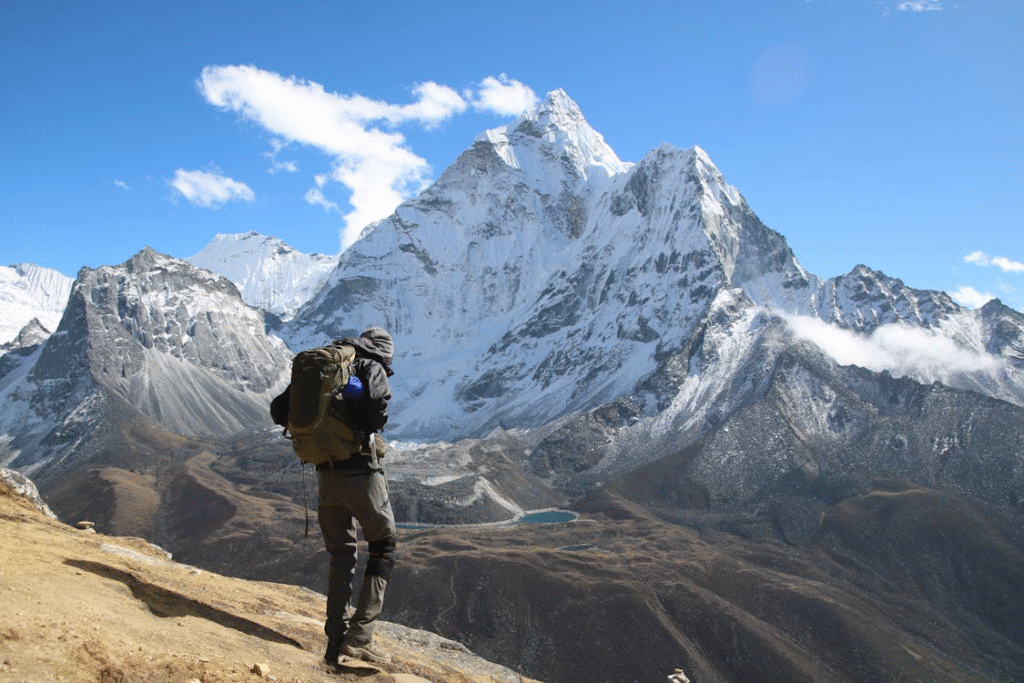
Where is Mount Everest?
Everest stands in the Himalayas, straddling Nepal and Tibet. Most people kick off their trek from Kathmandu, Nepal, flying into the tiny, bustling airport at Lukla. Lukla is basically the front door to the Everest region. From there, you start walking—straight into Sagarmatha National Park, home to some of the world’s most jaw-dropping scenery. Think snow-capped peaks, endless glaciers, and rugged trails. It’s the kind of landscape that sticks with you for life.
Height and Altitude
Everest is famous for a reason—it towers at about 8,848 meters above sea level. That’s 8.8 kilometers up in the sky. If you’re wondering why that matters, it’s because the air gets thinner the higher you go. Less oxygen means tougher climbing and a much bigger challenge for your body. You have to train for this, and you can’t just rush up. Acclimatization matters.
Here are a few key altitudes you’ll hit:
- Mount Everest summit: 8,848 meters (8.8 km)
- Everest Base Camp: 5,364 meters
- Camp 4: 7,950 meters
Everest Base Camp Trek
The hike to Everest Base Camp is legendary. Every year, thousands of trekkers set off to experience the Himalayas up close—even if they aren’t planning to touch the summit. The trek takes about 12 to 14 days, depending on your pace and how well you acclimatize. You’ll pass through Sherpa villages, cross hanging bridges, wind through forests, and walk right beside glaciers. Every day brings something new.
The Base Camp itself sits at 5,364 meters. The air is thin, and you feel it. But if you take your time and prepare properly, the trek is totally doable for anyone who’s fit and up for an adventure.
Everest Camps on the Climb
Summit attempts on Everest use a series of camps, each one higher and tougher than the last. These camps give you time to rest and adjust to the altitude before the final push.
- Base Camp – Where it all begins
- Camp 1 – Right beyond the Khumbu Icefall
- Camp 2 – Advanced Base Camp
- Camp 3 – Perched on the Lhotse Face
- Camp 4 – The last stop before the summit, also known as the “death zone” because the oxygen is dangerously low
Most climbers leave Camp 4 late at night, hoping to reach the summit at sunrise.
How Difficult Is It?
People always ask if the Everest Base Camp trek is hard. Honestly, it’s not a cakewalk. The distances are long, and the altitude can knock you down if you’re not ready. But you don’t need fancy climbing skills—just good fitness, stubbornness, and a bit of mental grit.
How Far Is the Trek?
The round trip to Everest Base Camp is about 130 kilometers. Most people cover 10 to 15 kilometers each day, depending on the stretch and how high they’re going. You’ll climb steep hills, scramble over rocks, and cross glaciers. It’s tough, but if you like a challenge, you’ll love it.
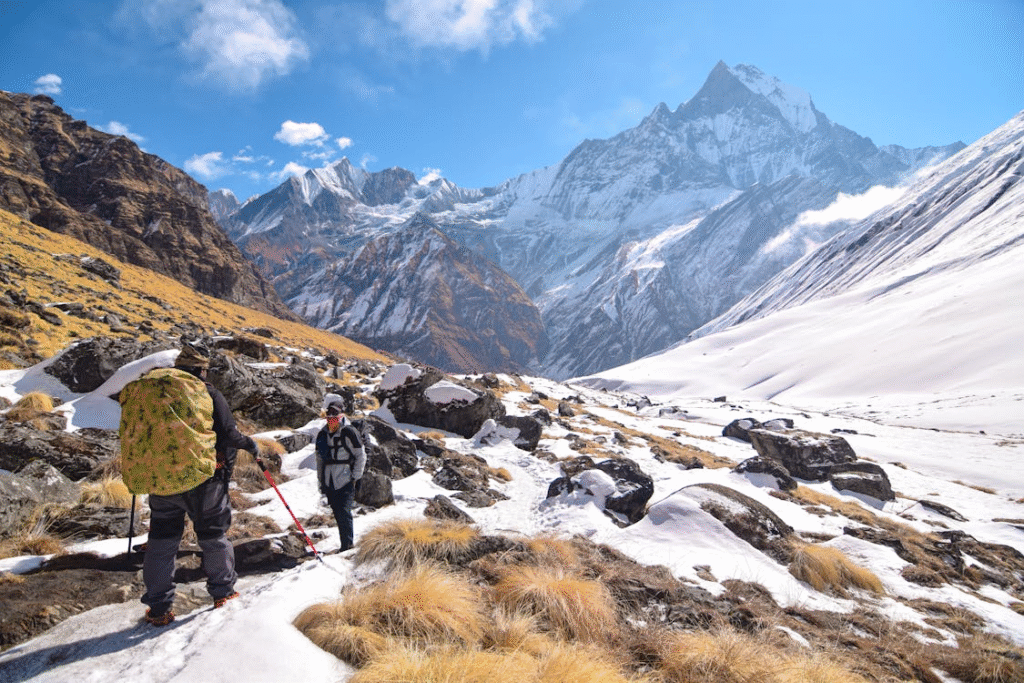
Hiking or Trekking—What’s the Difference?
You might wonder if Everest Base Camp is a hike or a trek. Here’s the deal: hiking usually means shorter, easier walks. Trekking, on the other hand, is longer, tougher, and takes you through remote, wild places—like the Everest or Annapurna regions. So, Everest Base Camp? Definitely trekking.
Annapurna Circuit and Annapurna Base Camp
Best Time for Trekking in the Everest Region
The best seasons for trekking in the Everest region are spring and autumn. During these months, the weather is stable and the mountain views are clear.
- Spring: March to May
- Autumn: September to November
Winter trekking is possible but extremely cold, while the monsoon season brings heavy rainfall and poor visibility.
Preparation for the Everest Trek
Proper preparation is essential for trekking in the Everest region. Trekkers should train for several months before attempting the Everest Base Camp hike.
- Cardio workouts and endurance training
- Practice hiking with a backpack
- Altitude awareness and acclimatization
- Essential trekking gear and equipment
Carrying the right trekking gear is crucial for safety and comfort during the journey. Warm clothing, trekking boots, and a good hiking pack are essential items for Himalayan trekking.
View from the Summit of Mount Everest
For the few climbers who successfully reach the summit, the view from the top of Mount Everest is one of the most breathtaking sights on Earth. Standing above the clouds with a panoramic view of the Himalayan peaks is a once-in-a-lifetime experience.
However, reaching the summit requires extreme endurance, technical climbing skills, and months of preparation. Only experienced mountaineers attempt the final ascent.
Final Thoughts
Climbing Mount Everest or trekking to Everest Base Camp is a life-changing adventure for travelers who love mountains and outdoor exploration. From the famous Everest Base Camp trek to the legendary Everest summit route, the region offers unforgettable experiences for trekking enthusiasts.
Whether you choose to hike to Everest Base Camp, explore the Annapurna Circuit, or simply experience mountain trekking in the Himalayas, this region remains one of the greatest adventure destinations in the world.
For trekkers and adventure lovers, the journey to the Everest region is not just about reaching a destination—it is about experiencing the spirit of the Himalayas.