
Complete Guide to Skiing in the Himalayas
Winter in India is not just about chilly mornings and mountain views — it’s about high-altitude powder, dramatic Himalayan landscapes, and raw alpine terrain. Unlike Europe or North America, skiing in the Himalayas is less commercial and more terrain-driven. Resorts depend heavily on natural snowfall, altitude, and short winter windows rather than artificial snowmaking systems.
When snowfall aligns with weather conditions, the Indian Himalayas transform into rewarding ski hubs — offering everything from beginner-friendly slopes to some of Asia’s most challenging alpine descents.
If you are planning a winter adventure in India, this detailed Himalayan Trek guide will help you choose the right destination based on your skill level, expectations, and travel style.
Skiing Destinations in India: Quick Comparison by Skill Level
| Skill Level | Best Destinations | Skiing Experience | Crowd Level | Best Months |
|---|---|---|---|---|
| Beginners | Solang Valley, Auli, Kufri, Aru Valley | Gentle slopes, instructor-led | Medium–High | Dec–Feb |
| Intermediate | Narkanda, Dayara Bugyal, Phuni Valley | Longer natural terrain | Low–Medium | Jan–Mar |
| Advanced | Gulmarg (Apharwat), Mundali, Munsiyari | Steep gradients, off-piste | Low | Jan–Feb |
Best Time for Skiing in India (What Actually Matters)
Skiing in India depends more on natural snowfall and altitude than fixed dates.
- January: Most reliable snow base across destinations
- February: Deep powder at higher altitudes like Gulmarg
- December: Suitable for beginners if early snowfall arrives
- March: Possible in select high-altitude regions but weather-sensitive
Rather than choosing dates blindly, consider:
- Snow consistency
- Crowd levels
- Your skiing ability
Health Note: Most ski destinations are above 2,500 meters. Travelers with asthma, heart conditions, or altitude sensitivity should consult a doctor and allow one acclimatization day.
1. Solang Valley (Manali, Himachal Pradesh)
Best for: First-time skiers, families
Altitude: 2,050–2,600 m
Best Months: December–February
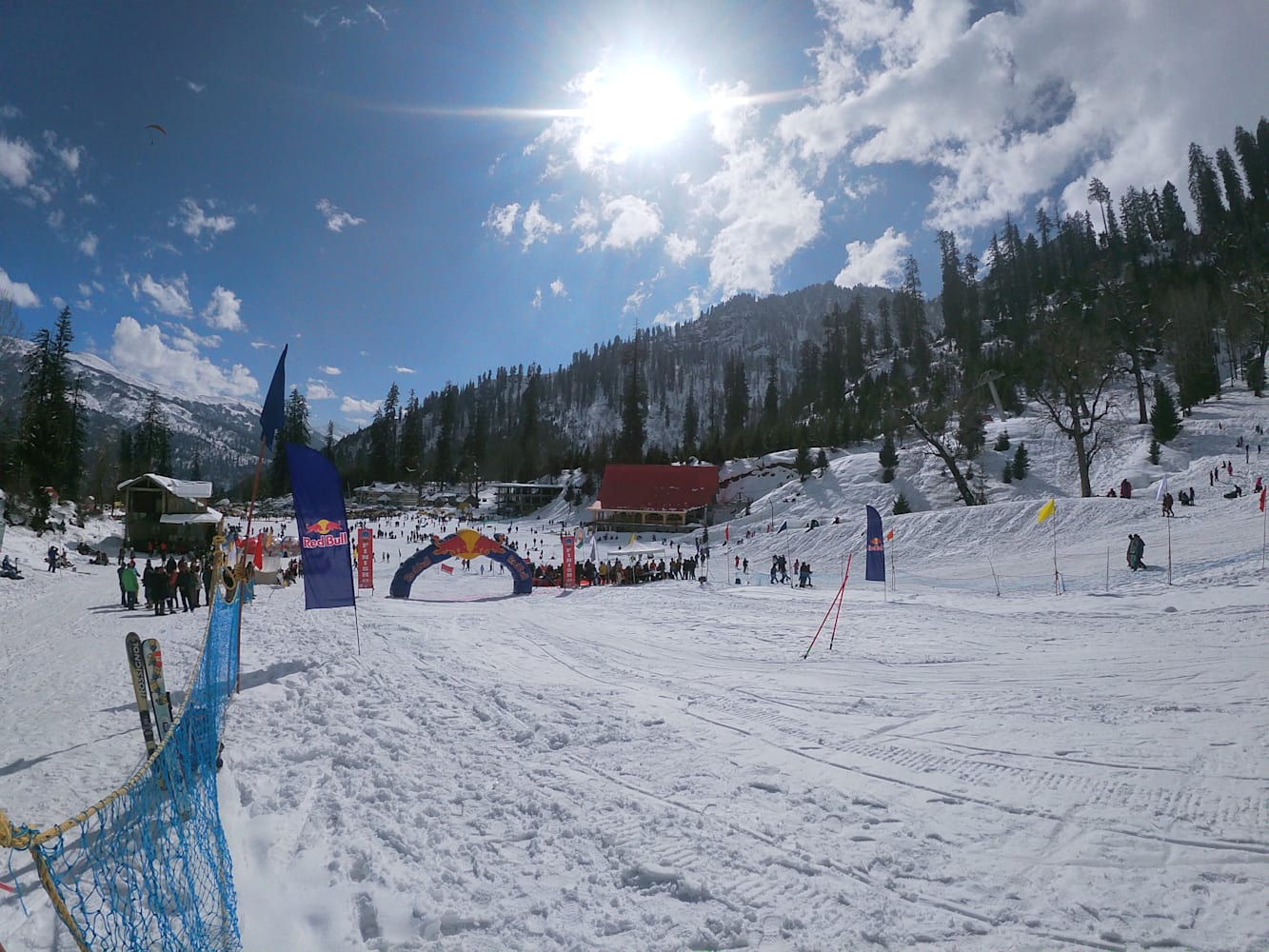
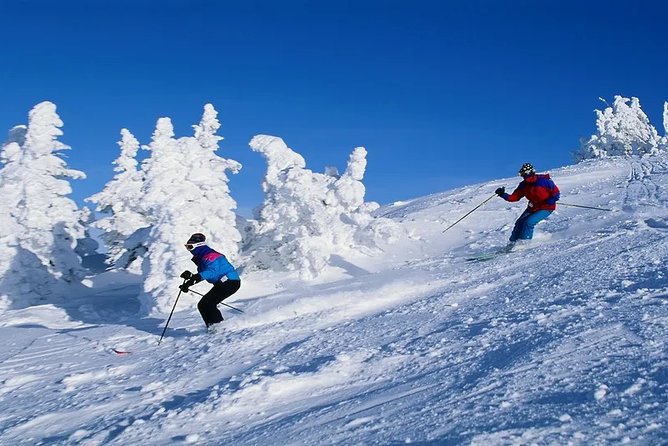
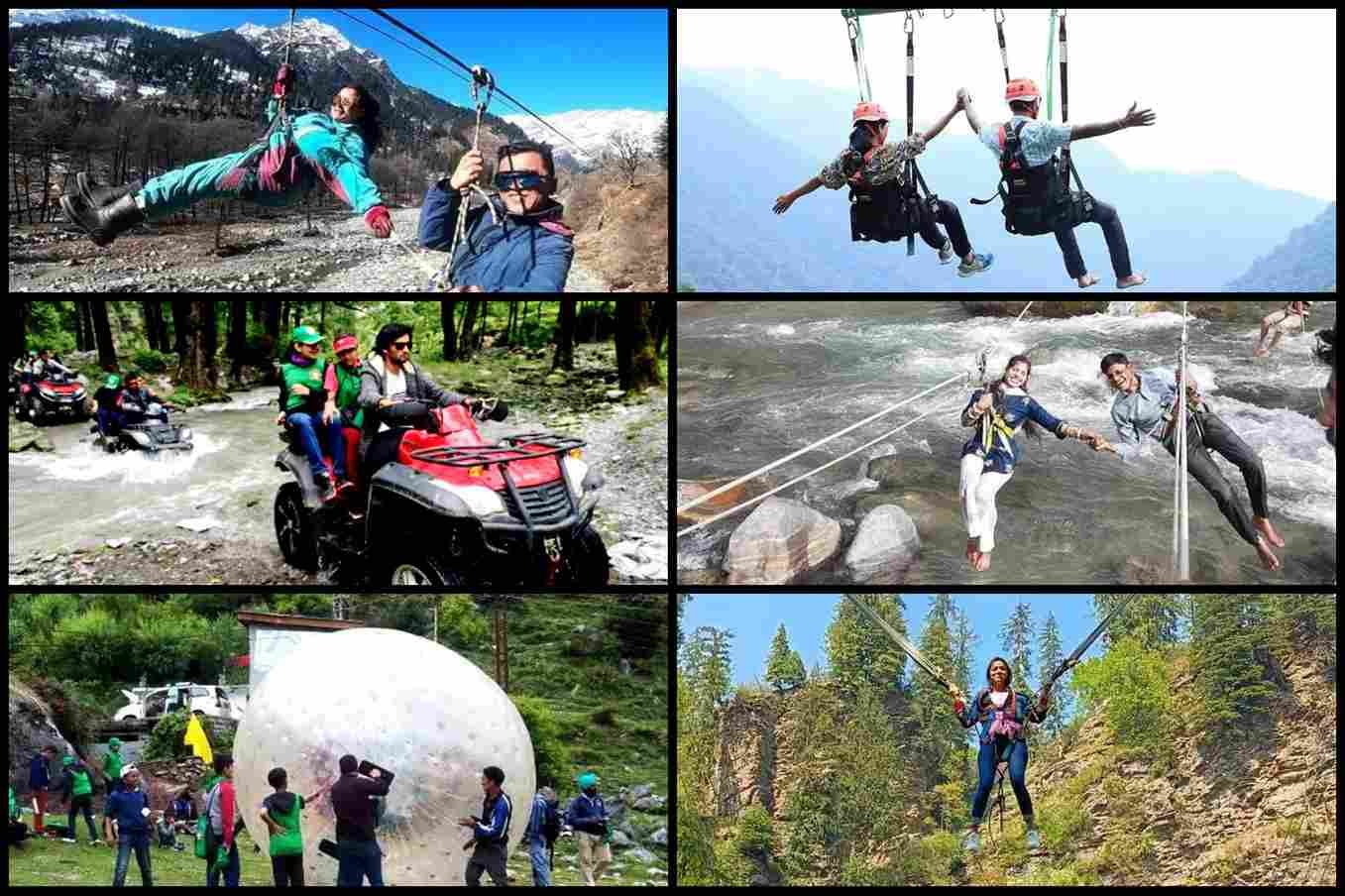
Solang Valley is the most accessible introduction to skiing in India. Located near Manali, it focuses primarily on beginner instruction rather than progression skiing.
Skiing Character
- Gentle gradients
- Short controlled runs
- Instructor-led sessions
Skill Suitability
✔ Absolute beginners
✔ Children
✘ Not suitable for intermediate or advanced skiers
Expert Insight
Solang Valley works best as a learning ground. It offers a safe and fun first skiing experience but is not designed for serious alpine skiing.
2. Auli


Best for: Beginners to intermediate skiers
Altitude: 2,500–3,050 m
Best Months: December–February
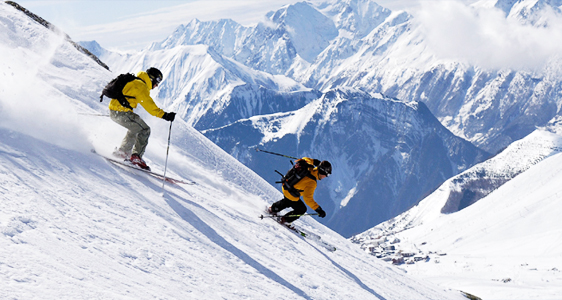
Auli is India’s most structured ski destination, known for organized training and wide groomed slopes.
Skiing Character
- Longer consistent runs
- Technical progression
- Lift-supported access
Skill Suitability
✔ Beginners wanting proper training
✔ Improving skiers
✘ Less ideal for thrill-seeking advanced skiers
Expert Insight
Auli is the best place in India to learn skiing properly in a structured environment.
3. Gulmarg

Best for: Intermediate to advanced skiers
Altitude: 2,650–4,000 m
Best Months: January–March
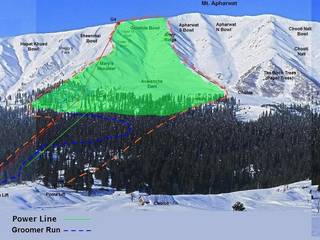
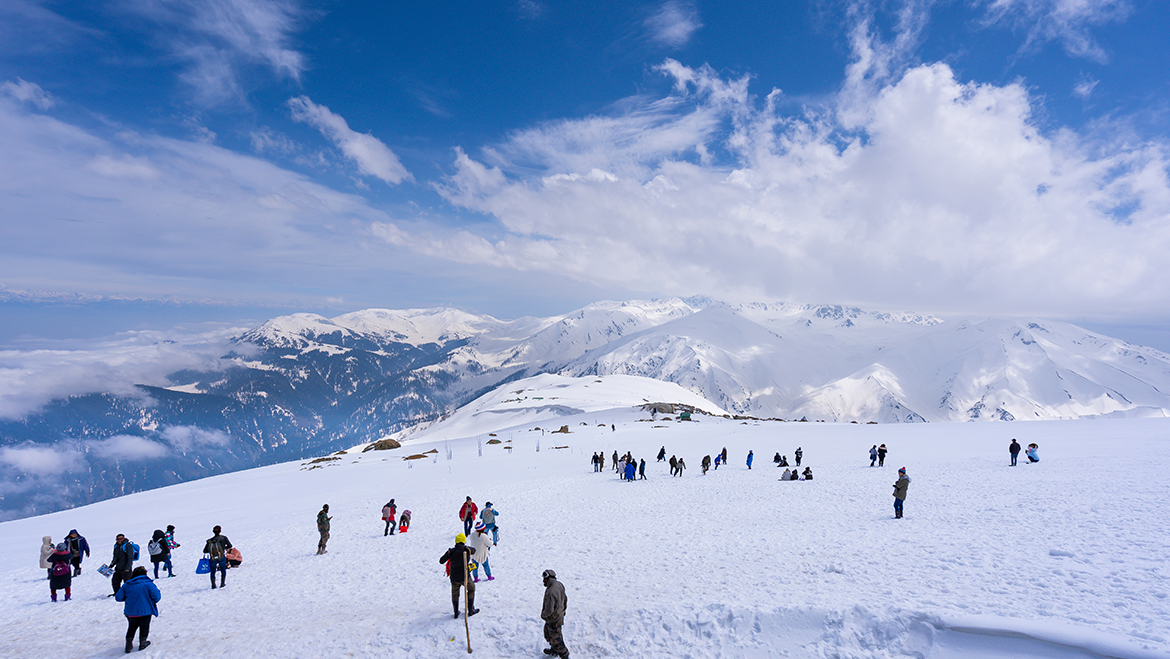
Gulmarg offers India’s most serious alpine skiing terrain. The slopes near Apharwat Peak are steep, powder-rich, and largely ungroomed.
Skiing Character
- Off-piste terrain
- Deep powder
- High-gradient descents
Skill Suitability
✔ Experienced intermediate
✔ Advanced skiers
✘ Not recommended for first-time skiers
Expert Insight
Gulmarg is exceptional when approached with proper skill and preparation. Without experience, it can feel overwhelming.
4. Pahalgam (Aru Valley)


Best for: Beginners, scenic winter travelers
Altitude: 2,400–3,000 m
Best Months: December–March
Aru Valley near Pahalgam offers quiet slopes with scenic surroundings.
Skiing Character
- Wide forgiving slopes
- Relaxed atmosphere
- Experience-focused
Skill Suitability
✔ Beginners
✘ Not for advanced progression
Expert Insight
Ideal for peaceful learning away from commercial crowds.
5. Kufri


Best for: Families and short winter trips
Altitude: 2,500–2,700 m
Best Months: December–February
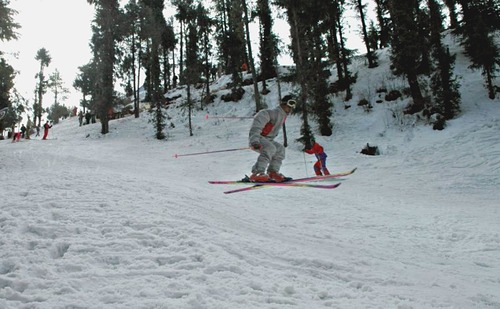
Kufri is known more for winter tourism than serious skiing.
Skiing Character
- Short instructor-assisted runs
- Recreational snow activities
Expert Insight
Great for quick exposure to snow but not a dedicated ski destination.
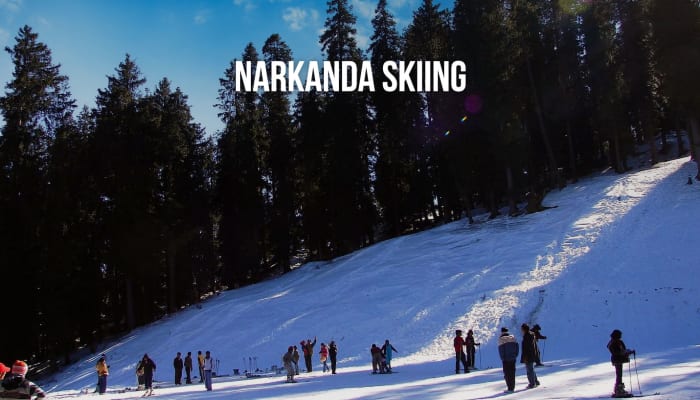
6. Narkanda

Best for: Beginners to intermediate
Altitude: 2,700 m
Best Months: January–February
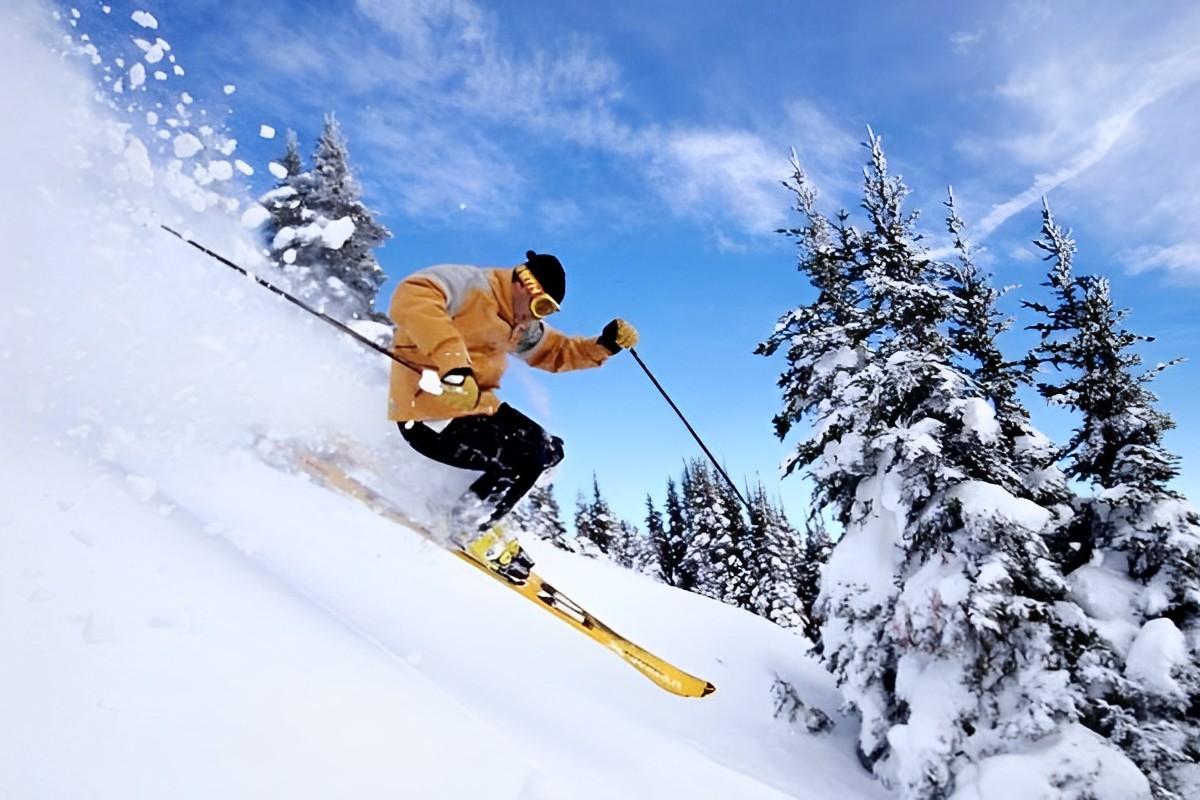
Narkanda has long been associated with ski training courses.
Expert Insight
Less crowded and more serious than Kufri or Solang.
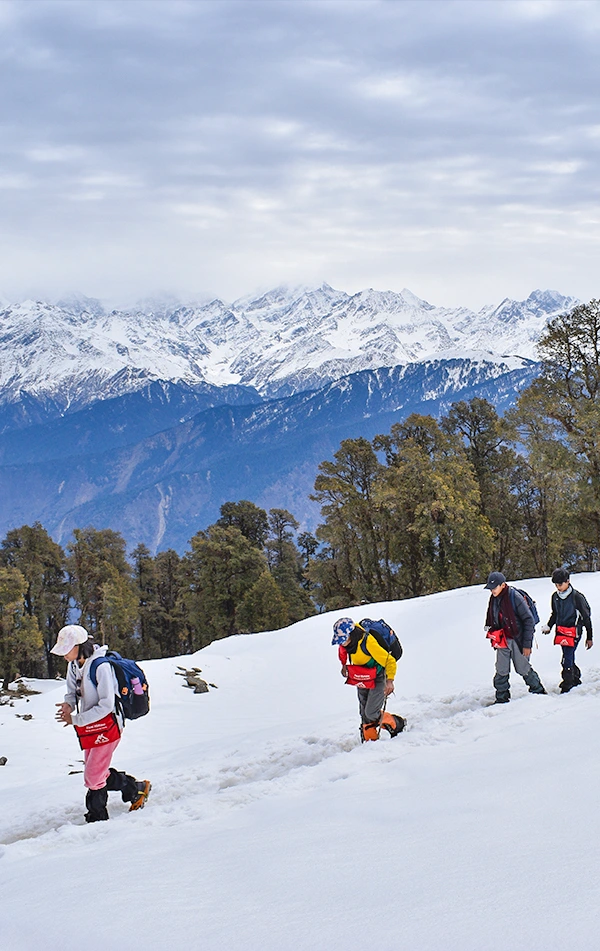
7. Dayara Bugyal

4
Best for: Nature-driven skiing
Altitude: 3,000–3,400 m
Best Months: January–March
Wide alpine meadows offer raw natural skiing conditions.
Expert Insight
Perfect for those seeking untouched terrain rather than resort comfort.
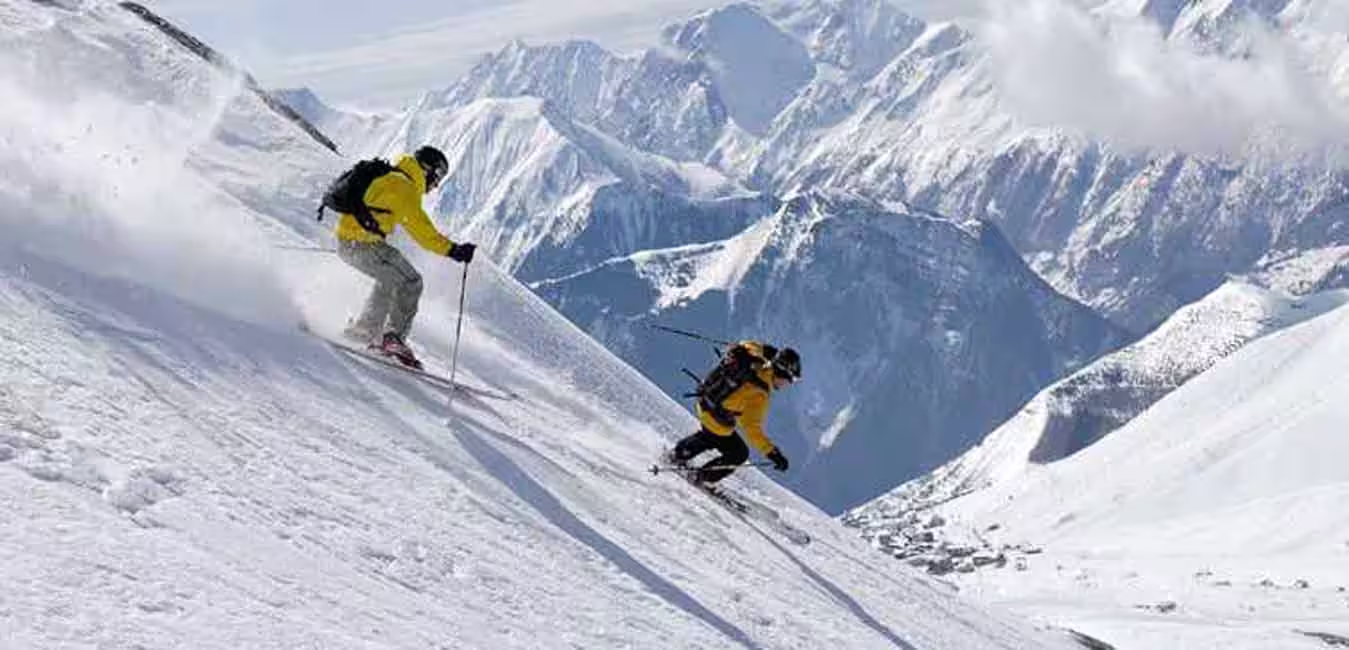
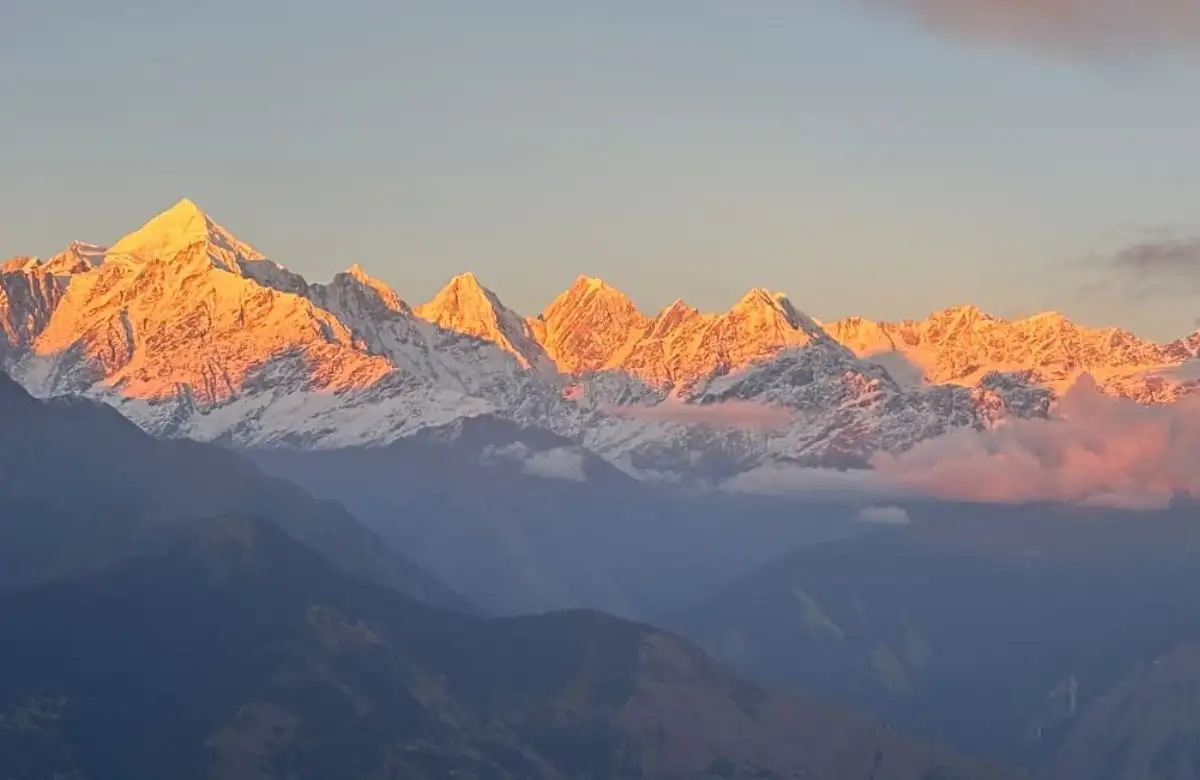
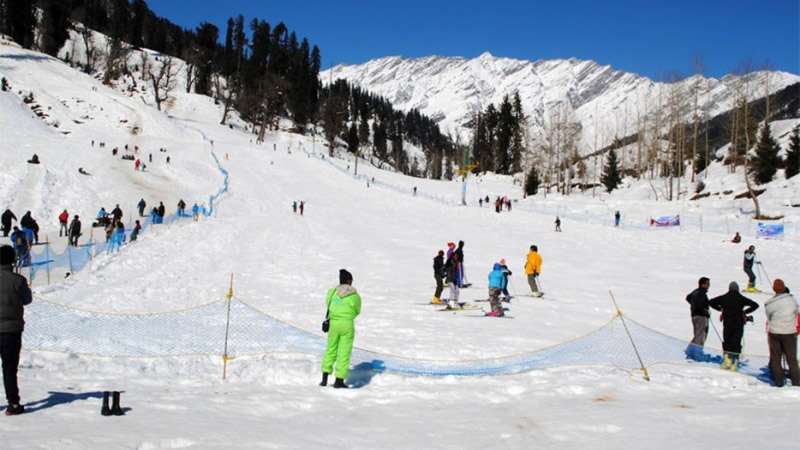
8. Munsiyari
4
Best for: Experienced skiers
Altitude: 2,200–3,000 m
Best Months: January–February
Rugged and physically demanding slopes.
Expert Insight
Adventure-driven skiing, not comfort-focused.
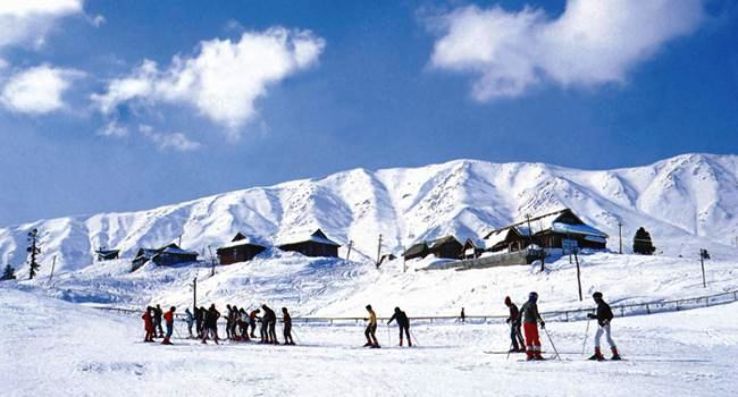
9. Phuni Valley


4
Emerging destination with quiet slopes and developing infrastructure.
10. Yumthang Valley


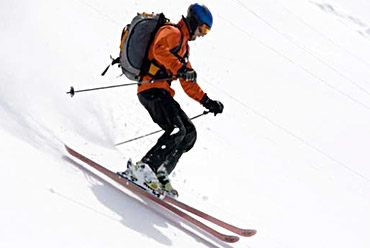
Scenic winter valley suitable for light skiing experiences.
What Most First-Time Skiers Get Wrong
- Choosing the most famous destination instead of the right skill match
- Ignoring altitude acclimatization
- Staying far from slopes and losing ski hours
For example, Gulmarg is world-class — but not beginner-friendly. Auli and Solang offer safer learning options.
Final Planning Tip
Skiing in the Indian Himalayas is weather-dependent and short-seasoned. Booking accommodations near slopes, securing instructors early, and keeping flexible buffer days dramatically improve the experience.
When snowfall aligns with altitude and preparation, skiing in the Himalayas becomes one of Asia’s most rewarding winter adventures.